

Unmasking & Neutralizing Occult Infiltration
A clear, practical guide for pastors and ministry leaders: how to recognize occult infiltrators, expose hidden dark altars, and protect the flock through Holy Spirit discernment.

“For we wrestle not against flesh and blood, but against principalities, against powers, against the rulers of the darkness of this world, against spiritual wickedness in high places.” Ephesians 6:12

Infiltration is not a social dispute or personality clash; it is a calculated engagement with spiritual laws. Dark forces require human partners—evil altars—to exercise demonic influence on earth. But God has equipped every minister with the supreme weapon: the Holy Spirit and the gift of discerning spirits.
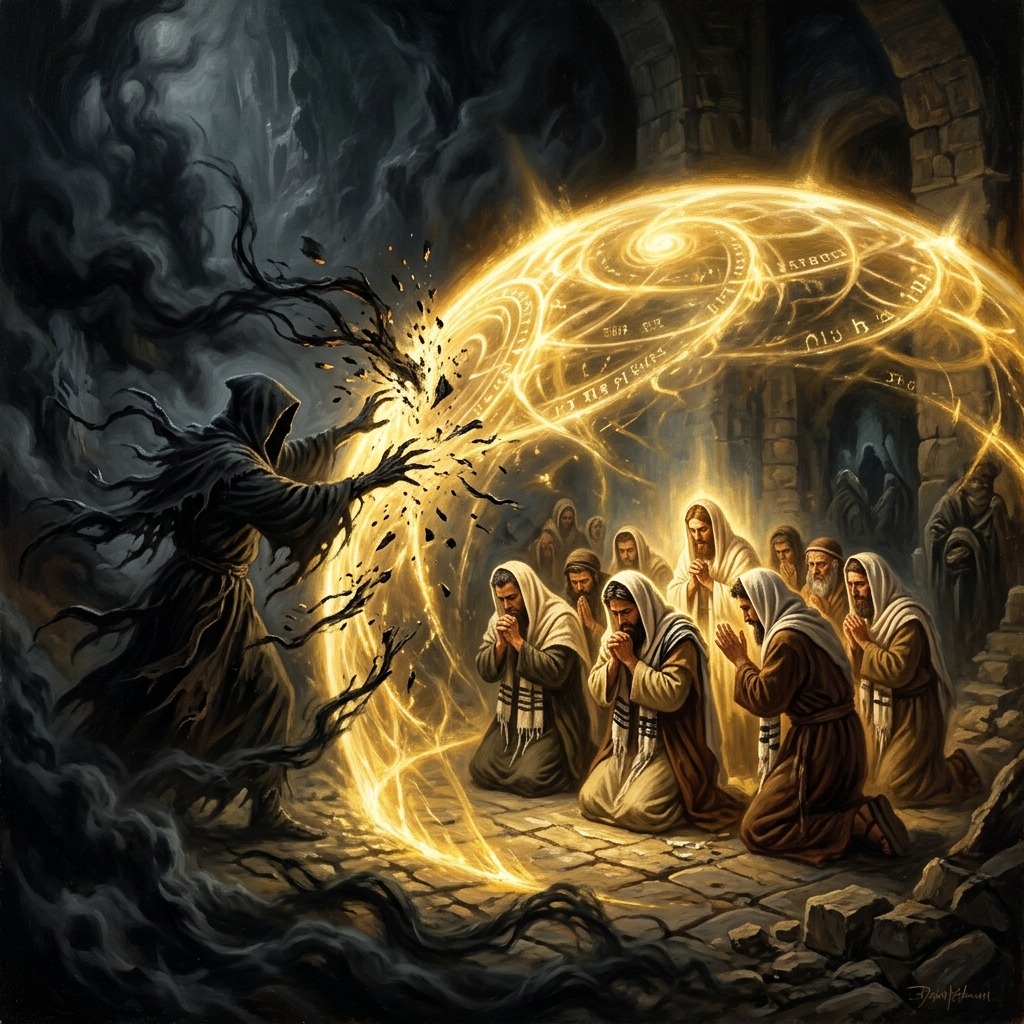
The Primacy of Holy Spirit Discernment
The Holy Spirit exposes the "shimmer" of deception before physical evidence appears.
The main and irreplaceable way to identify wolves is by the Holy Spirit and the supernatural gift of discerning of spirits (1 Corinthians 12:10). Human intuition and behavioral checklists can be fooled by sophisticated mimicry, but the Holy Spirit pulls back the veil. When an infiltrator speaks, the Holy Spirit produces a divine check—a spiritual warning, an inner disturbance, or a revelation of the underlying demonic "shimmer" that masks their true nature.
Ministers must never rely solely on natural eyes. Natural indicators are secondary confirmation of what God’s Spirit has already highlighted. Test every spirit (1 John 4:1) and prioritize intimacy with God as your chief defensive weapon.

The Spiritual Mechanics of Infiltration & Human Altars
Demonic spirits cannot operate legally on earth without a human vessel.
Because God granted physical dominion over the earth to humanity (Psalm 115:16), incorporeal demonic spirits require human partners to gain earth legitimacy. In spiritual warfare, human agents act as human altars for demonic expression.
Occult infiltration is the systematic process of establishing an evil altar inside a local ministry to counter the move of the Holy Spirit, disarm leadership, and dismantle the spiritual destiny of the congregation.

The Three Archetypes of Infiltrators
Understanding who is entering your ministry: intentional witches, syncretic pagans, or self-deceived leaders.
Ministers must differentiate between three distinct operational levels of infiltrators:
- Intentional (High-Level) Infiltrators: Trained occult agents, witches, warlocks, satanists, and members of clandestine orders (such as Freemasonic covens) dispatched into churches with explicit assignments to monitor, divide, and destroy.
- Cultural / Syncretic Infiltrators: Individuals bound to ancestral pagan traditions, witchcraft, or syncretism who bring territorial dark altars into the church while masquerading as believers.
- Blind Infiltrators: Self-professed believers operating through spirits of control, witchcraft, and religious domination who serve dark ends without realizing they are demonic tools.

Wolves rarely enter looking predatory. They master Christian culture, aesthetic holiness, and false prophetic bonding to disarm leaders when they are tired or vulnerable.

The Deception Toolkit: Aesthetic & Behavioral Mimicry
High-level agents project an image of immaculate piety to bypass natural defenses.
Infiltrators use deliberate mimicry to blend into the flock:
- Fluency in "Christianese": They master spiritual language, Christian jargon, and an unnaturally humble, helpful demeanor.
- Immaculate Piety Disguise: They often dress with deliberate visual signals—carrying prominent open Bibles and wearing reading glasses in public settings to project studious, harmless devotion.
- Overwhelming Generosity: They lavish leaders and ministries with gifts, money, and favors to create a "checked spirit" in leadership—making it socially difficult to question someone who seems so generous and supportive.
- The "Backslidden Believer" Alibi: Some agents deliberately pose as struggling or backslidden Christians. By openly confessing "areas they are still working on," they manufacture a built-in excuse: when they are later caught doing something plainly unchristian, they wave it off as a personal weakness they are "just struggling with"—deflecting correction, buying sympathy, and prolonging their access to the flock.

Prophetic Exploitation & Bypassing Discernment
Using "God told me" and false dreams to dismantle pastoral oversight.
The most dangerous disarmament tactic is False Prophetic Authority. Infiltrators strategically approach weary, overworked, or isolated ministers using phrases like "God told me" or "I had a dream about you."
These false revelations offer artificial comfort and flattering validation. Once false intimacy is established in secret, the infiltrator weaponizes this trust to gain physical access into the leader's private life, family, and home.

A critical task for every minister is avoiding false witch-hunts. Carnal believers need pastoral discipleship; occult infiltrators need confrontation, legal disarmament, and removal.

The Pastoral Diagnostic Comparison Table
A side-by-side comparison of Carnal Believers, Blind Infiltrators, and High-Level Occult Agents.
Use this diagnostic matrix to evaluate behavioral patterns soberly under the guidance of the Holy Spirit:
| Diagnostic Trait | Carnal / Immature Believer | Blind Infiltrator | High-Level Occult Agent |
|---|---|---|---|
| Root Motivation | Fleshly pride, trauma, unrenewed mind. | Need for control, religious domination, self-righteousness. | Assigned subversion, evil altar maintenance, destruction. |
| Response to Reproof | Defensive initially, but reachable with patient scripture. | Offended, creates factions, plays the victim. | Calculated retreat, counters with false discipline or curses. |
| Spiritual Atmosphere | Heavy fleshly distraction, light spiritual noise. | Strife, confusion, division in teams. | Sickness, sudden oppressions, dark oppression, dead prayers. |
| Fruit of Ministry | Inconsistent growth, weak disciple fruit. | Broken relationships, authoritarian control. | Structural sabotage, physical illness in leaders, moral fall. |
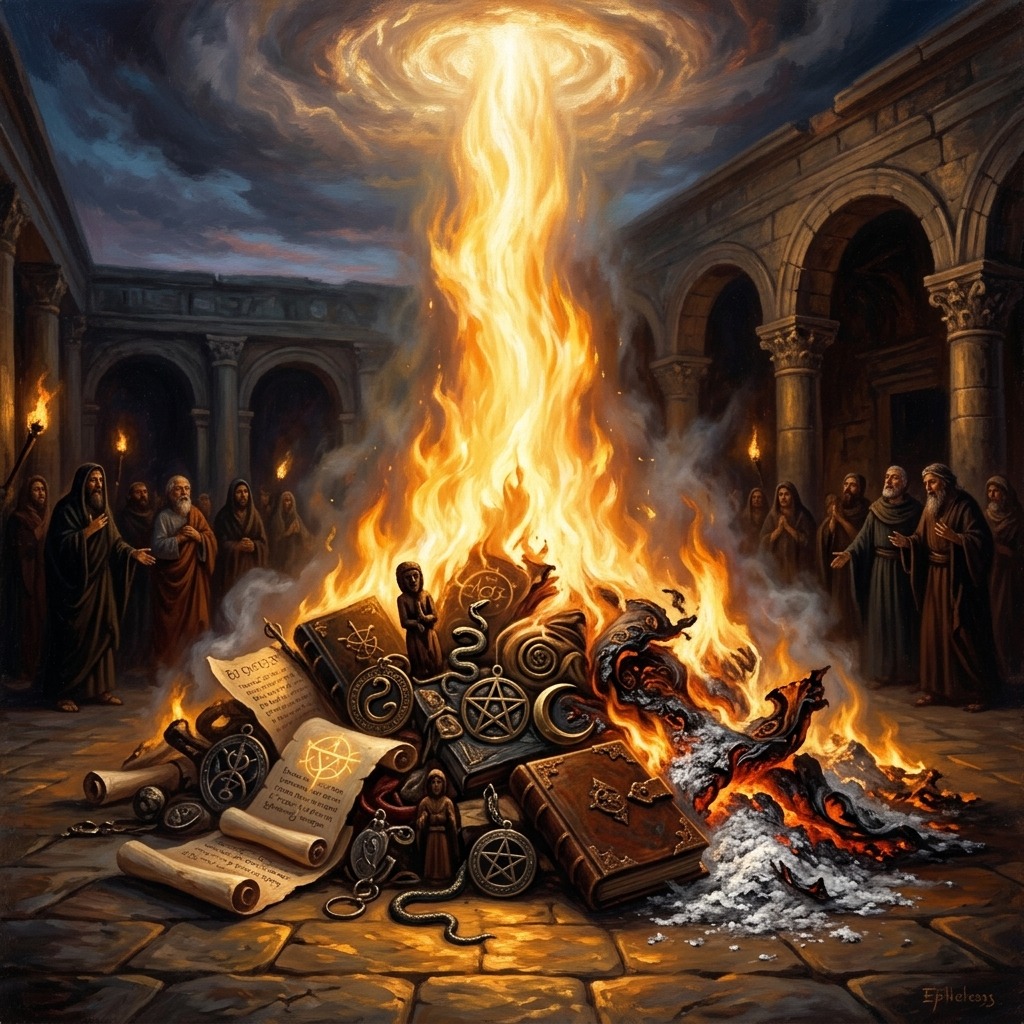
Spiritual warfare is not merely conceptual; it operates through physical objects and hospitality. Infiltrators use cursed items and host hostile tables to establish legal rights in believers' homes.
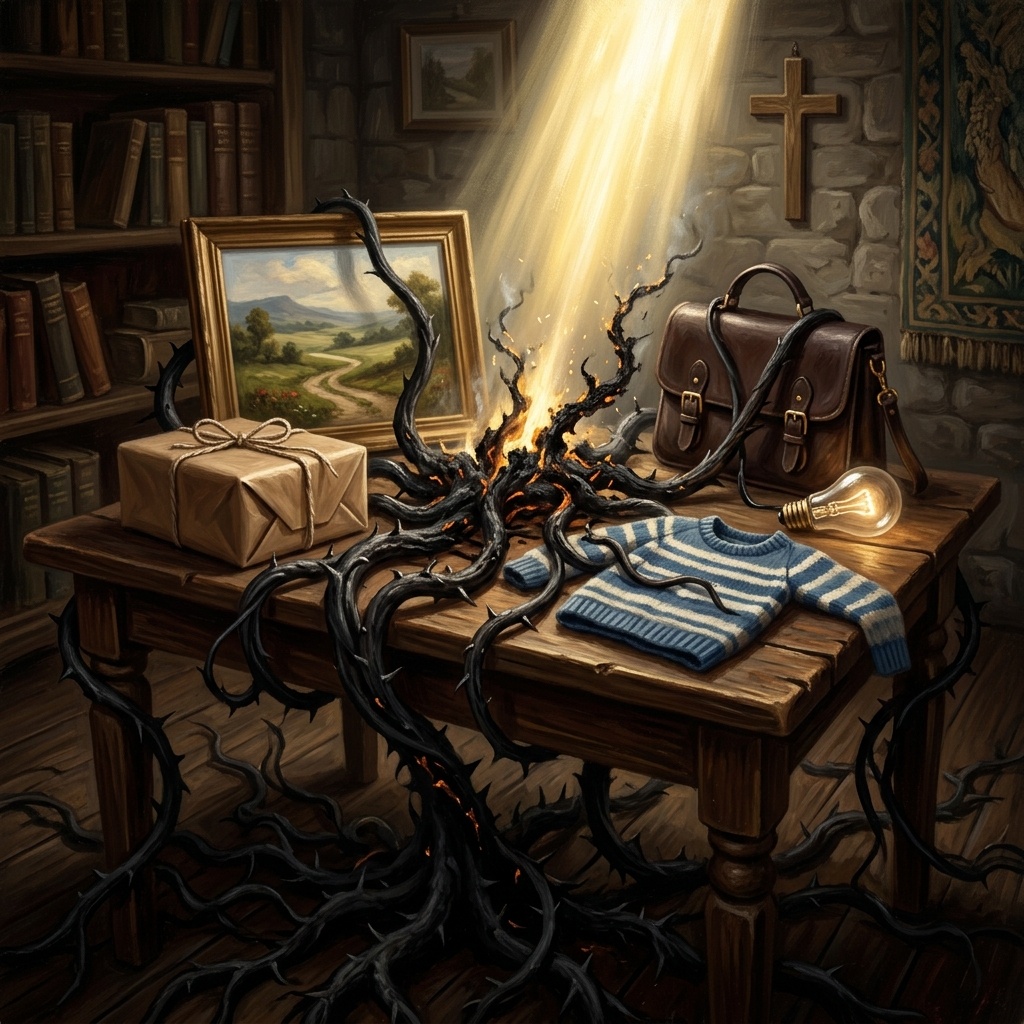
The Spiritual Law of Cursed Items & Physical Anchors
Demonic entities use dedicated physical objects as long-term anchors (Deuteronomy 7:25-26).
Bringing a dedicated or cursed item into your home causes the home to come under the same spiritual legal trouble as the item. Infiltrators use gifts as physical monitoring anchors:
- Mundane Cursed Gifts: Items like light bulbs, paintings, Bibles, handbags, or clothing. In real ministry warfare (such as on Rapa Nui), cursed items like a Bart Simpson shirt with glazed, lifeless eyes were gifted to children, inducing sudden nighttime shrieking and inexplicable fever until burned.
- Physical Altars & Occult Evidence: Infiltrators plant physical anchors around target homes. Actual field evidence includes mushrooms tied under floorboards of houses or straw rat effigies hung in garden trees to anchor sickness and destruction.

The Law of Hostile Hospitality & The Cursed Table
Sharing meals dedicated to demons creates legal spiritual yokes (1 Corinthians 10:20-21).
Infiltrators use hospitality to gain legal access over ministers:
- The "Stale / Off" Food Marker: Infiltrators with substantial personal wealth frequently serve food that is stale, low-quality, or noticeably off—such as stale Doritos wrapped in plastic wrap or spoiled sandwiches. This lack of freshness is a physical marker of a cursed table.
- Sacrificial Elements: In extreme cases, occult warlocks provide bloody, improperly prepared meat (dripping with sacrificial blood) for fellowship barbecues. Eating at these tables leads to sudden domestic strife, sickness, and the dismantling of spiritual covering.

Spiritual yokes act as force multipliers. When a minister enters unholy financial, legal, or ceremonial agreements with an infiltrator, dark liabilities flow directly through the connection.

Financial & Legal Yokes: Signature as Spiritual Essence
Signing documents or co-signing debt for an infiltrator creates a spiritual double liability (2 Corinthians 6:14).
Infiltrators use legal agreements to tie their demonic liabilities to believers:
- Money & Debt Yokes: Lending money to or borrowing from an infiltrator creates a persistent mental and spiritual tie, giving them continuous access to your thoughts and spiritual space.
- Signature as Essence: In the realm of spiritual law, your signature represents your legal essence. Acting as a guarantor or financial face for an infiltrator means you are spiritually doubling as them. If they are fleeing spiritual judgement, your signature transfers their legal consequences onto your life and ministry.
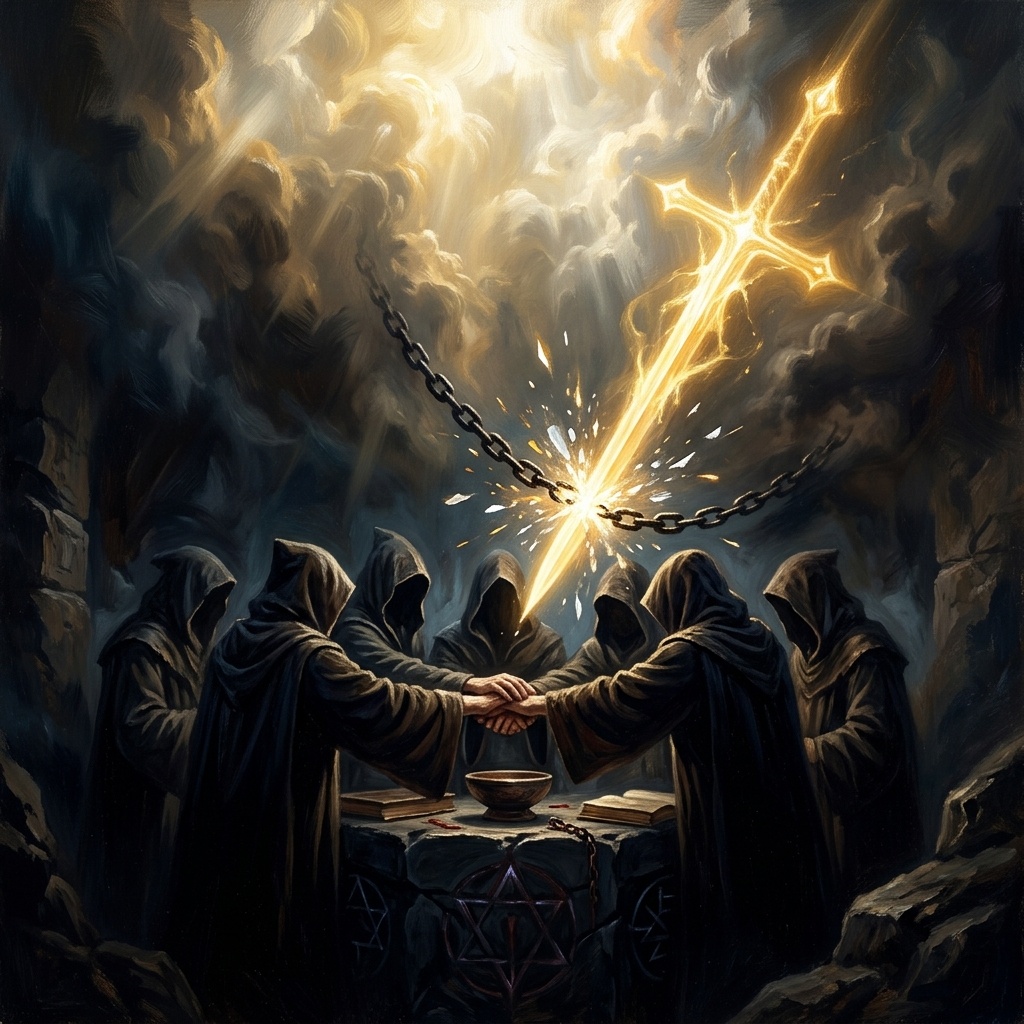
Ceremonial Covenants & Emotional Leeches
Freemasonic secret oaths, godparent covenants, and emotional leeches consume spiritual strength.
Be alert to non-biblical covenants:
- Secret Orders & Freemasonry: Infiltrators bound to secret fraternal orders (Freemasonry, Eastern Star, Rosicrucianism) carry generational blood oaths that oppose the Lordship of Jesus Christ. Inviting them into leadership positions invites altar conflict into the sanctuary.
- Godparent & Ceremonial Ties: Entering ceremonial spiritual parenthood with active occultists grants them permanent relational access to your children.
- Emotional Leeches: Agents acting as perpetual victims consume hours of a minister's time with manufactured crisis after crisis, deliberately distracting them from their God-given destiny.

Spiritual authority and dark burdens transfer through physical contact. Infiltrators manipulate the law of impartation and cross physical borders to force silent agreement.

Perversion of Impartation & The "Childlikeness" Prayer Trap
Disguising curses as biblical prayers to strip ministers of authority (1 Timothy 5:22).
Infiltrators use laying on of hands to impart spirits of weakness or mental confusion. A specific weapon is the "Childlikeness" Prayer Trap.
An infiltrator will pray over a leader with biblical-sounding words: "Lord, make this pastor always like a little child." While childlike faith is godly, this prayer is a calculated curse intended to impart spiritual immaturity. The practical result is social: after the prayer, the congregation begins perceiving the leader as immature, naive, and weak—so that when the leader later exposes the witch, no one takes them seriously.

Occult Border Crossing: Neck Kissing & Targeted Touch
Using forced physical contact to breach spiritual boundaries.
Infiltrators use deliberate physical touch to signal spiritual invasion:
- The Neck vs. Cheek Kiss: A vital red flag. Under the guise of a friendly kiss on the cheek, the infiltrator intentionally misses and kisses the neck. This physical boundary breach bypasses social resistance and targets the neck—the emblem of yoke and spiritual authority.
- Targeted Touches: Unsolicited or frequent touching of the wrists (strength), shoulders (intimacy), or lower back is used in the spirit to claim permission to cross your spiritual borders. Maintain strict physical and spiritual boundaries.
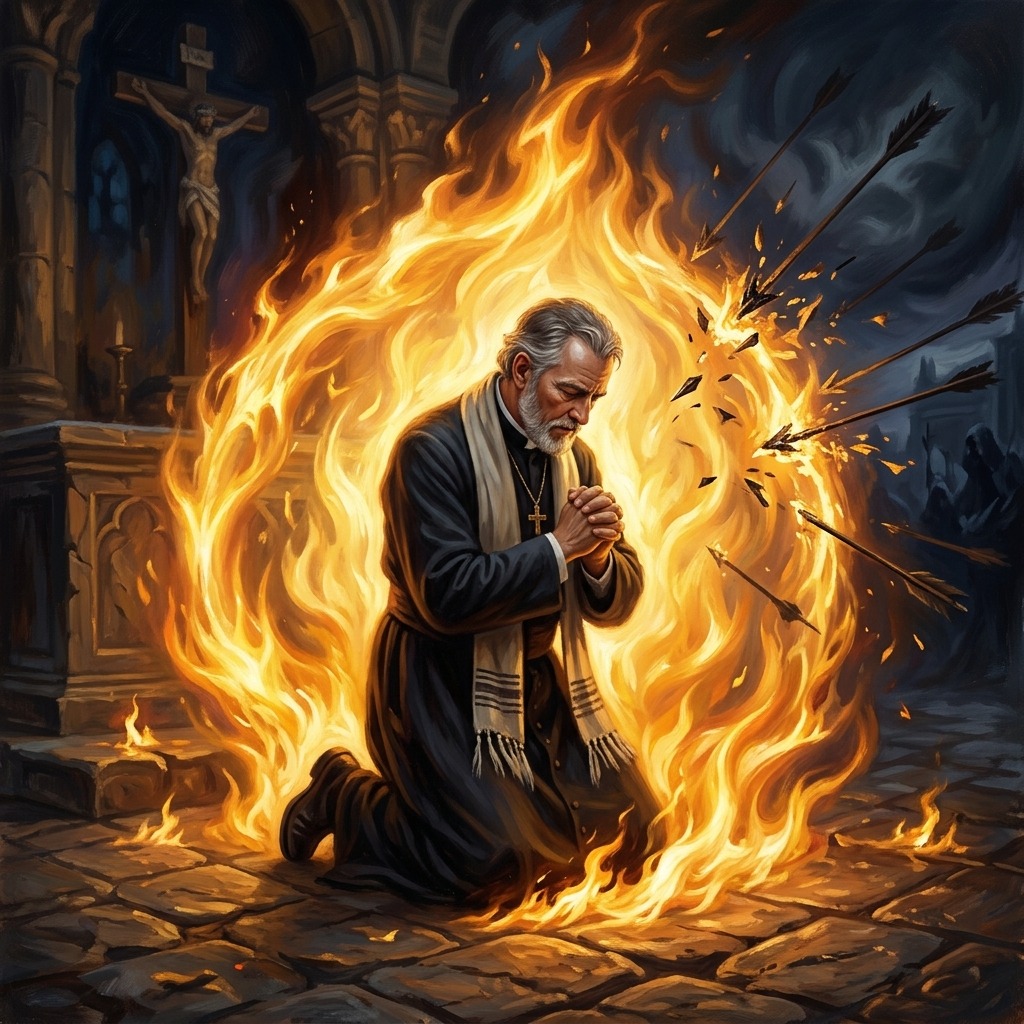
Infiltrators target the engine rooms of ministry—prayer, worship, and children. But through Holy Spirit discernment and spiritual legal disarmament, victory in Christ is absolute.

Targeting Ministry Engines: Prayer, Worship & Children
Infiltrators seek high-leverage roles to maximize damage.
Infiltrators systematically target three core departments:
- Prayer Teams: To monitor spiritual direction, report intel back to covens, and pray retaliatory, witchcraft prayers over the church.
- Worship Teams: To manipulate atmospheric spiritual authority and project false light.
- Children’s Ministry: To target the upcoming generation. In field warfare, children of discernment leaders have suffered sudden medical crises after receiving physical gifts from infiltrators in children's ministry.
They also employ the "Drama Queen" mechanic—using explosive emotional tantrums, fake crying, and playing the victim when confronted to make discerning ministers look like "bullies" or "witch hunters."
An even more calculated maneuver is the "Discipline Trap." By quietly sowing seeds of envy and suspicion, an infiltrator turns a senior pastor against his own discerning right-hand man—persuading leadership to place that faithful watchman under false discipline. This silences the single voice able to expose the infiltration at the very moment it is most needed.
Monitoring Spirits & Animal Proxies
Occult agents utilize monitoring spirits and animal bodies to track believers.
Monitoring spirits track a minister's household to strike with fear:
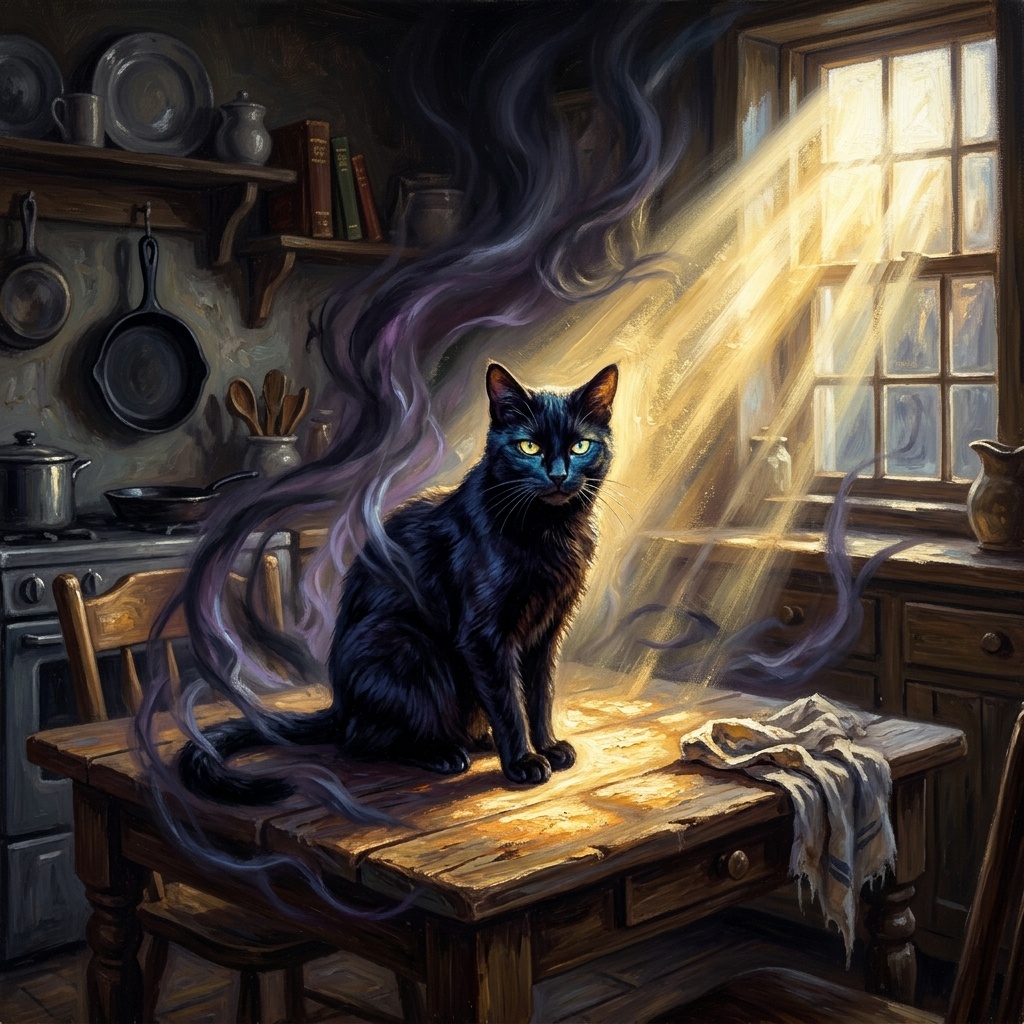
- The Defiant Monitoring Cat: Real field experience includes a black cat appearing inside a home at 3:00 AM, standing on the kitchen table and staring at the minister with a defiant, non-animalistic gaze—claiming territorial monitoring rights.
- The Warning Dog Proxy: Prophetic warning dreams of aggressive dogs lunging at the face, followed immediately by encounters with strange dogs manifesting that exact spirit in the physical realm.

Counter-Tactics: Spiritual Legal Housecleaning & Christ's Victory
Purging cursed items, revoking legal access, and walking in Holy Spirit light.
Victory is not achieved through paranoia or witch-hunting, but by walking in the Light of Christ (Hosea 4:6):
- Revoke Legal Permissions: Prayerfully break all soul ties, unholy yokes, and false verbal covenants in the name of Jesus Christ.
- Purge Cursed Items: Physically remove and destroy (burn or throw away) all gifts, trinkets, or suspicious items given by infiltrators.
- Close Access Doors: Repent of any sin, debt, or unholy agreement that gave dark forces leverage over your home or ministry.
- Enforce Holy Spirit Discernment: Require spiritual vetting before placing anyone in prayer, worship, or youth leadership.
The goal is never paranoia or witch-hunting, but knowledge—to be, as the Lord commanded, “wise as serpents and harmless as doves” (Matthew 10:16). We do not hunt for witches; we hunt for God, and His light makes the deception plain.
When a minister is filled with the Holy Spirit and grounded in God's Word, deception cannot stand. The light exposes every mask, breaks every demonic altar, and restores the flock to full divine victory!
✍️ A Comprehensive Prayer Agreement That an Infiltrator Would NEVER Want to Sign!
Everything in this guide can become one practical weapon: a printable Covenant of Agreement your whole fellowship prays — and signs — together. It is worded as an anonymous, all-covering prayer of protection, asking God to break every curse, cancel every hidden assignment, uncover every hidden agent, and seal His covering over your people. No one is named or accused. But because every line is personal and first-person — “I agree… I renounce… I ask” — a true infiltrator cannot sign it in good conscience without renouncing their own assignment, and cannot refuse it without standing out. Print it, pray it aloud as a body, and let every member sign the covenant at the bottom.
🖋️ Get the Prayer Covenant (PDF)